The Journey Home: What a Familiar Journey to Cork Taught Us About Long Family Road Trips
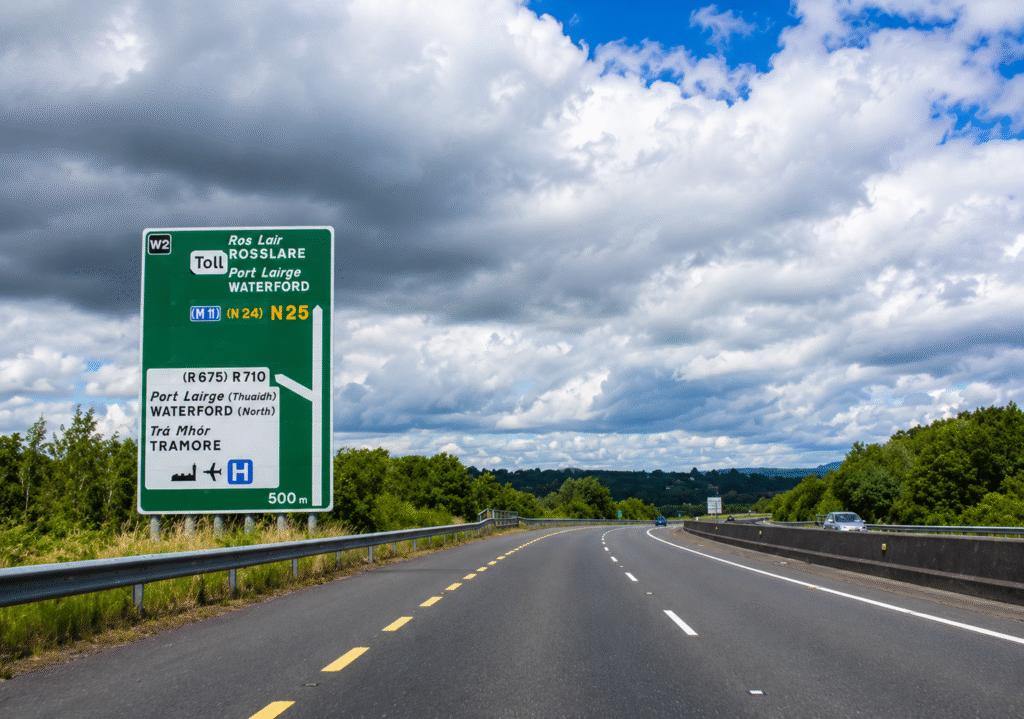
After three wonderful days in Cork, we swapped the familiar M8 for the N25 and M9 to see whether a different route home could teach us anything before our upcoming European road trip. Along the way we discovered that tiredness, changing plans and unexpected challenges often reveal far more about family travel than the easiest journeys ever can.
By Michael Graham | OurPixelPassport
The Journey Home Was Always Going to Be Different
Three days later it was time to point the car towards home. We’d spent a wonderful few days catching up with family, enjoying later evenings and making the most of our time together. Like most family weekends away, it was over far quicker than any of us would have liked. Returning by the M8 would have been the obvious choice, but this practice trip still had one more lesson to teach us.
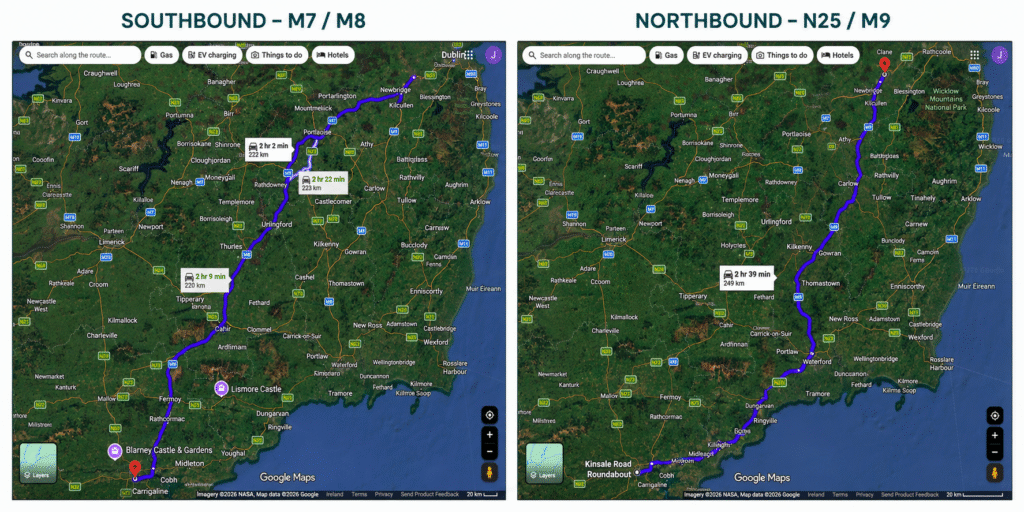
Rather than simply retracing our steps, we decided to take a different route home. There were two reasons behind that decision. In just five weeks’ time we’d be driving to Rosslare to catch the ferry to Bilbao and begin our summer road trip across continental Europe, so following the N25 towards Rosslare felt like the perfect opportunity to build a little more excitement for the adventure ahead. At the same time, we simply fancied a change of scenery. On paper, the route home via the N25 and M9 would only add around twenty minutes to the journey, which seemed a small price to pay for experiencing a different drive while learning something useful before setting off across Europe.
There was one important difference between the outward journey and the drive home, however. After several busy days with family, later nights than usual and plenty of good food, none of us felt quite as fresh as we had when we’d first left home.
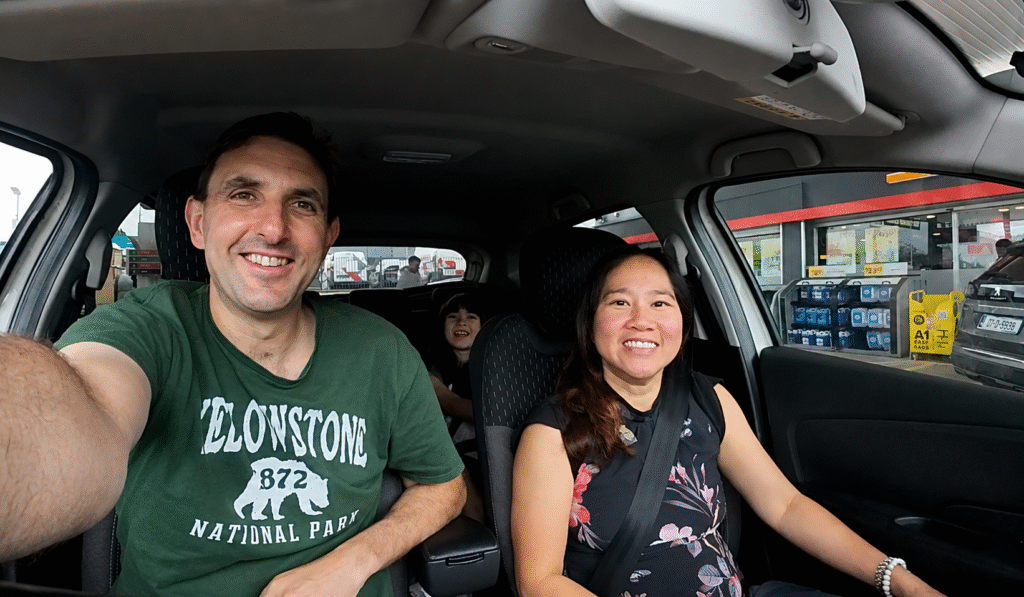
For a moment we questioned whether this was really the right day to experiment with an unfamiliar route, but then reminded ourselves why we’d planned this practice trip in the first place. If we only tested our ideas when everyone was well rested and everything was going smoothly, we wouldn’t really learn very much. Family travel is rarely experienced under perfect conditions, and any approach that only works on your best days is unlikely to help when everyone is a little more tired than they’d like to be.
Choosing the N25 Instead of the Familiar M8
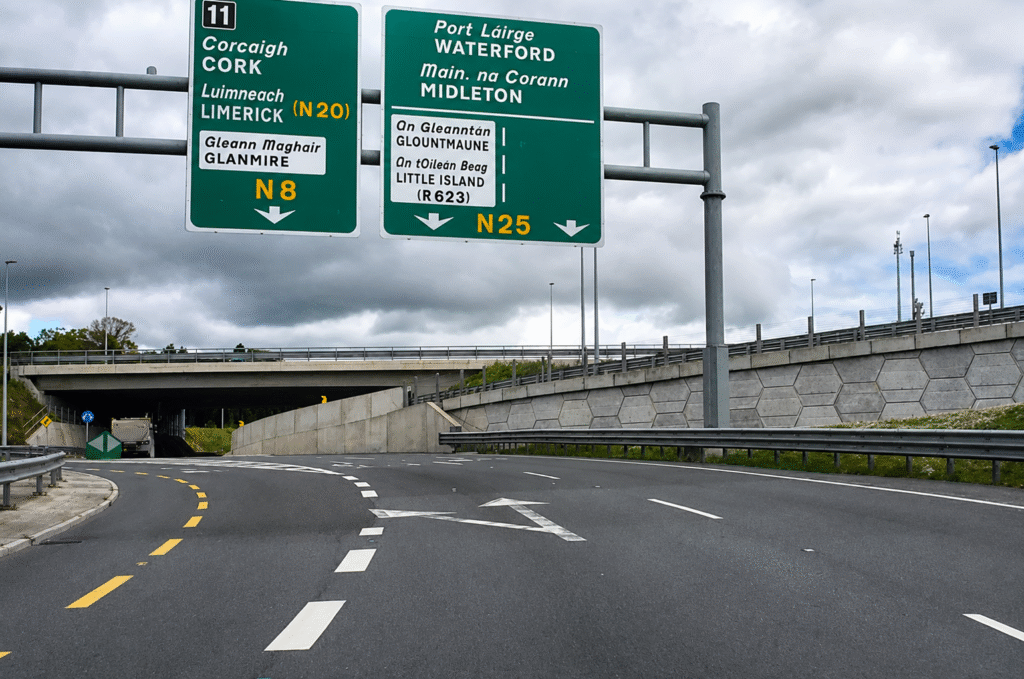
Passing back underneath the Jack Lynch Tunnel, we reached the point where we had to decide which way to go. Turning left would have taken us back onto the familiar M8, the route we’d travelled only a few days earlier and the quickest way home. Instead, we followed the signs for the N25, committing ourselves to a different journey and giving our practice run one final opportunity to teach us something before our European road trip.
Inside the car another game was already underway. My wife and daughter had invented their own version of a guessing game, with one secretly holding an object while the other tried to work out what it was by asking questions and following a series of clues. Some objects were guessed almost immediately, while others prompted plenty of laughter before the answer was finally revealed. Listening to the conversation from the front seat, I found myself smiling because none of this had been planned.
We’d packed books, colouring supplies and games before leaving home, but this was simply two people entertaining themselves with whatever happened to be around them. It was another reminder that keeping children engaged on a long journey isn’t always about finding one activity that lasts for hours. More often, it’s about creating the space for one activity to naturally give way to the next, allowing the journey to develop its own rhythm rather than trying to force every minute of it.
A Different Road, A Different Rhythm
Progress out of Cork was quick. The dual carriageway carried us comfortably as far as Midleton before the road narrowed into single carriageway for much of the journey towards Waterford, interrupted only occasionally by climbing lanes. The pace immediately became very different from the motorway. Overtaking opportunities were limited and, like everyone else, we found ourselves travelling at the speed of the traffic ahead, allowing the journey to settle into a much gentler rhythm than we’d experienced on the M8 a few days earlier.
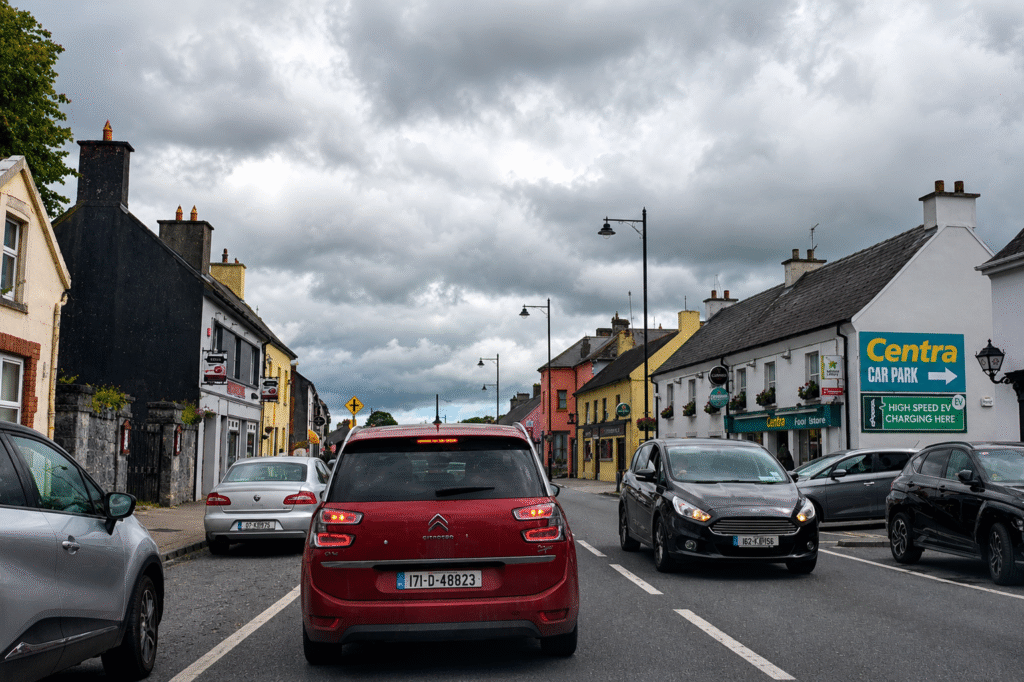
Our first noticeable delay came in Castlemartyr, where traffic lights created a short bottleneck through the village. Thankfully it never became more than a brief pause and, before long, we were moving again with little more than a few extra minutes added to the journey.
As the pace naturally slowed, another book appeared from the back seat and the familiar sound of stories being read aloud filled the car once more. Looking back, what struck me wasn’t that we’d managed to avoid using the tablet, but how little thought anyone had given to it. Reading simply felt like the right activity at that point in the journey, just as the guessing game had earlier in the day. We weren’t trying to force a particular routine; we were simply allowing one activity to come to a natural end before moving on to the next, and somehow the hours continued to pass more quickly than we’d expected.
One of the unexpected pleasures of travelling this route was the scenery itself.
Crossing the River Blackwater offered lovely views across the water, while the approach to Dungarvan and its ring road provided a welcome change from the long stretches of motorway we’d driven only a few days before. As enjoyable as the scenery was, however, it was the road signs that captured our attention most.
Every few kilometres another sign pointed towards Rosslare, and with each one the excitement for our summer trip quietly grew. We’d driven in this direction before without paying those signs much attention, yet now they felt completely different. They no longer pointed towards somewhere other people travelled from; they marked the beginning of a journey that, in just a few weeks’ time, we would finally be making ourselves.
Knowing When to Stop
Eventually we reached Applegreen at Lemybrien, where we decided it was time for another break.
Traffic was flowing well and, if our only priority had been getting home as quickly as possible, we could easily have carried on. The temptation is always there when the road is clear and you’re making good progress.
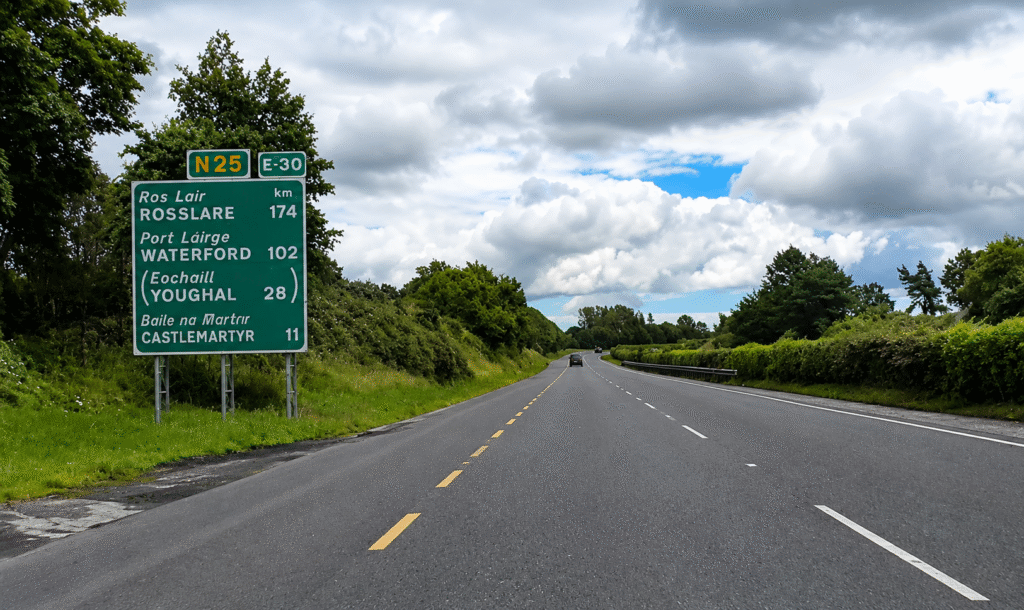
Instead, we decided to stop while everyone was still feeling comfortable rather than waiting until someone needed a break. It was a small decision, but one we’d already seen the value of on the journey south. Breaking the drive into manageable stages had helped the hours pass more easily, and there seemed little reason to change an approach that was already working well.
Joining the M9
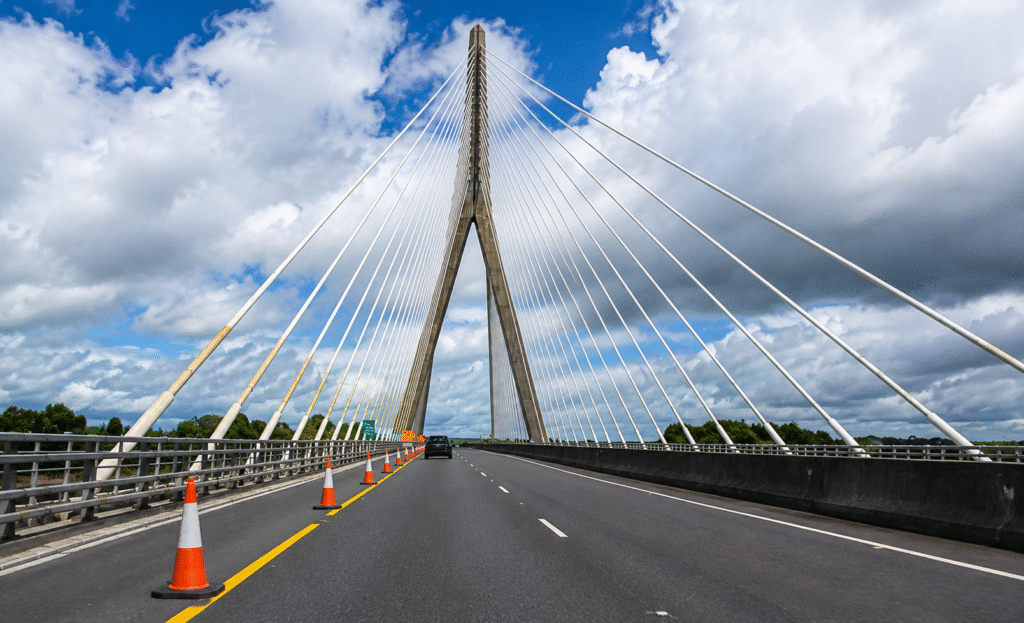
Before long we were approaching Waterford. After crossing the Edmund Rice Bridge and paying the route’s only toll (€2.30 at the time of writing), we joined the M9 and turned north towards Dublin, with the final stretch of the journey now beginning to feel comfortably familiar again.
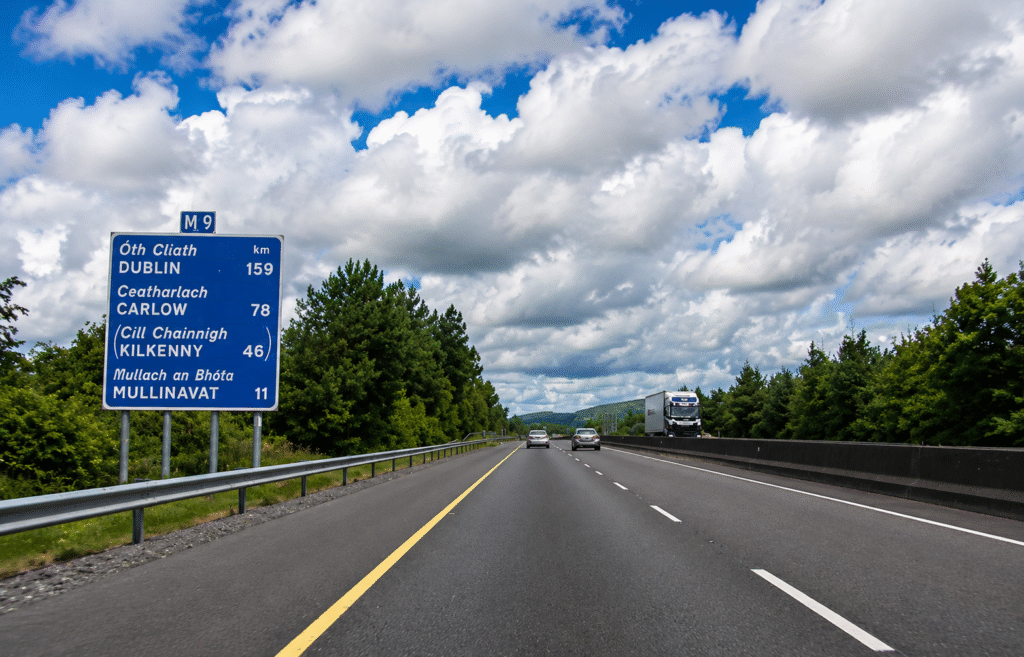
As we settled onto the motorway, we noticed there were services at Junctions 7 and 5, along with another between Junctions 2 and 3. Rather than stopping at the first opportunity, we decided Junction 5 would make the ideal place for a late lunch, giving us enough time on the road before another break while still allowing everyone to stretch their legs ahead of the final drive home.
Before leaving Cork, I’d also made a few cheese sandwiches for our daughter, knowing they might prove useful if lunch happened later than expected or if nothing at the services appealed to her. In the end they stayed in the cool bag untouched, but that didn’t make packing them any less worthwhile. Knowing they were there meant one less decision to make if our plans changed, and throughout the weekend we’d found that having simple alternatives ready often made the day feel that little bit more relaxed.
By now the atmosphere inside the car was noticeably different from the journey south. The excitement of setting off had given way to the gentle tiredness that often follows a good family break. Conversation became quieter, my wife was beginning to feel like closing her eyes for a while, and our daughter was happy to settle in with her tablet as we continued towards our planned lunch stop. It all felt completely natural. After several busy days away, everyone was beginning to unwind in their own way, and the journey home had found a rhythm that suited us all.
An Unexpected Reminder That Plans Can Change
Just as we were settling into the drive along the M9, a tyre pressure warning light appeared on the dashboard.
Only a few days earlier we’d picked up a puncture while we were in Cork, although it had already been repaired before we set off for home. Even so, seeing the warning light was enough to make us pause. It wasn’t something we could ignore, but neither did it feel like a reason to panic.
At the next suitable place we carried out a quick visual check of all four tyres. Everything looked perfectly normal and, if anything, a couple almost appeared slightly overinflated rather than underinflated. With Junction 5 now only a short distance away, we decided to continue at a slightly reduced speed, keep an eye on the tyres and have everything checked by our local tyre specialist once we reached home.
For the time being there was little else we could do. Junction 5 was 30 kilometres ahead, where we’d already planned to stop for lunch, so we continued north with one eye on the road ahead and the other on the dashboard, hoping the warning was nothing more than a faulty reading rather than the start of a bigger problem.
Lunch at Junction 5
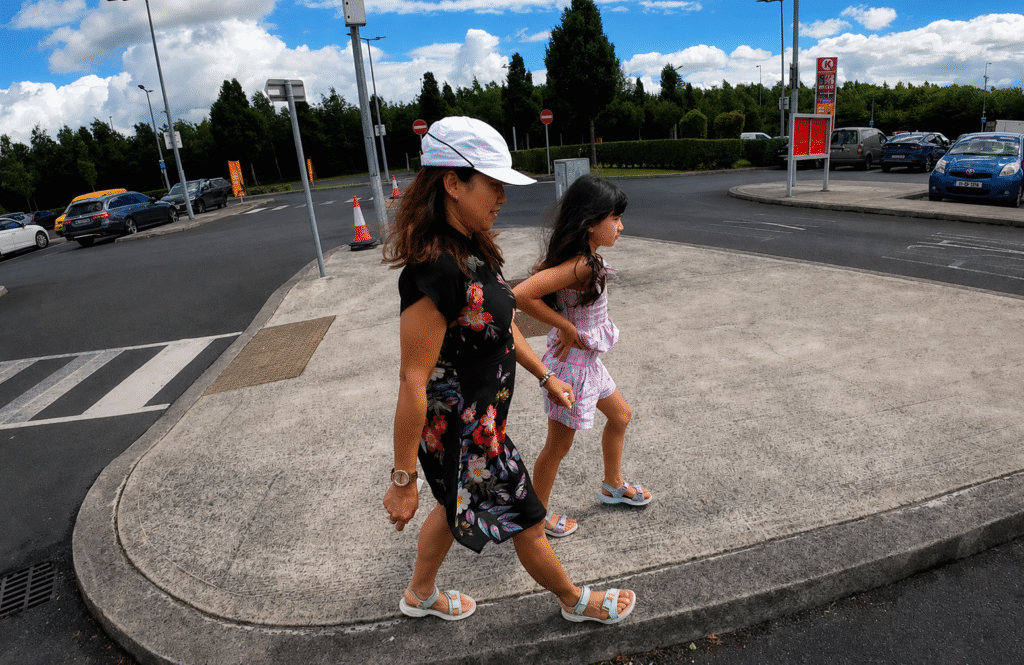
By the time we reached Junction 5, stopping felt like the natural thing to do. We were all beginning to feel hungry, several hours in the car had left us feeling a little stiff, and with the tyre warning still quietly sitting on the dashboard it seemed like the right place to pause before the final stretch home.
Before thinking about lunch, we took another careful look at all four tyres. Once again, everything appeared perfectly normal and, if anything, a couple almost looked slightly overinflated rather than underinflated. With nothing obvious to suggest there was an immediate problem, we felt comfortable continuing the journey after lunch before having the tyres checked properly by our local tyre specialist once we reached home.
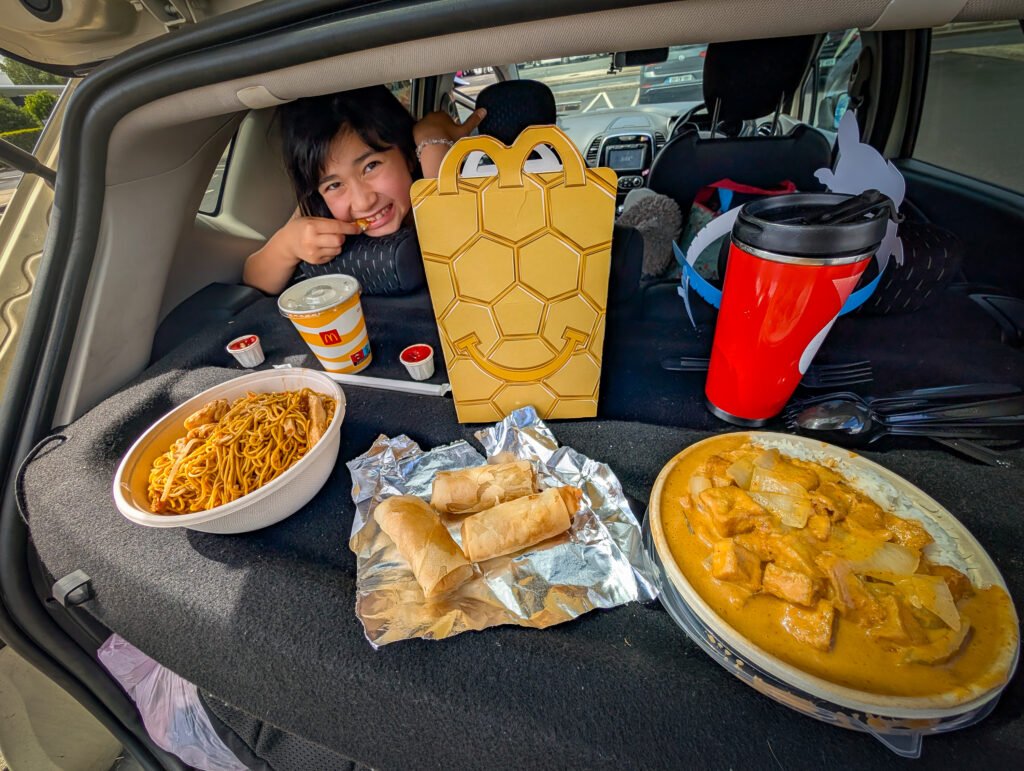
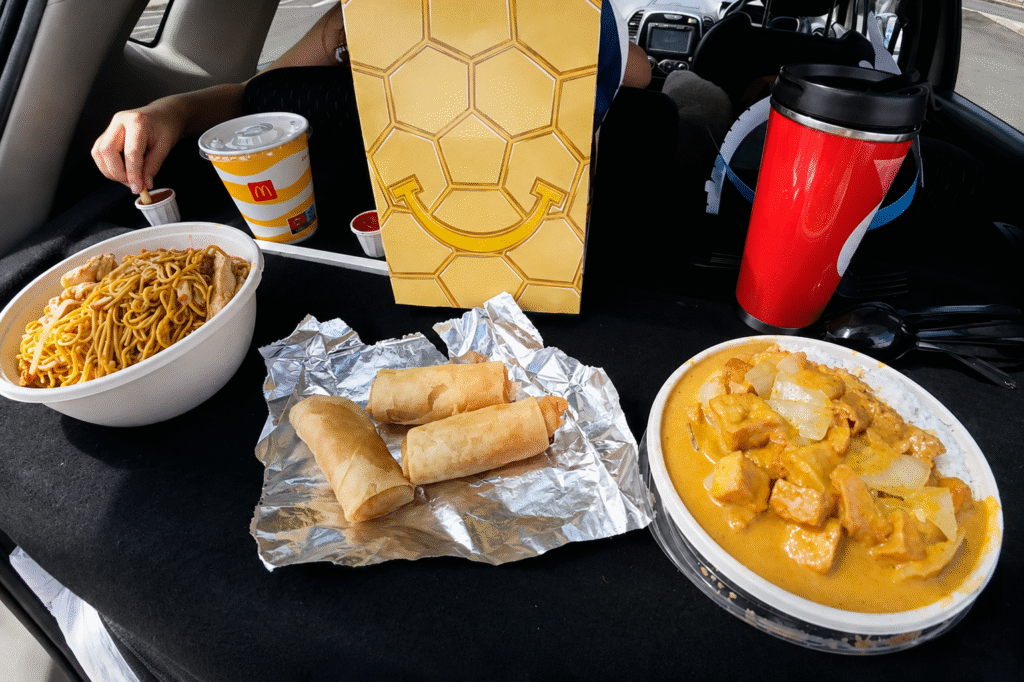
Only then did we turn our attention to food. The services offered plenty of choice, including a Circle K, deli, Camile Thai and McDonald’s. Our daughter happily chose another Happy Meal, while I ordered the tofu Massaman curry and my wife chose the Singapore noodles from Camile. At around €10 for the curry and €14 for the noodles they certainly weren’t the cheapest meals we’d bought on the road, but they were freshly prepared, filling and generous enough that we both agreed they would double as our dinner later that evening. After several days away, neither of us fancied arriving home and then having to think about what to cook, so it felt like money well spent.
After lunch we took a few more minutes to stretch our legs before climbing back into the car. We still had the final part of the journey ahead of us, but with the tyres looking normal and everyone feeling refreshed after the break, we were ready to continue towards home.
The Final Drive Home
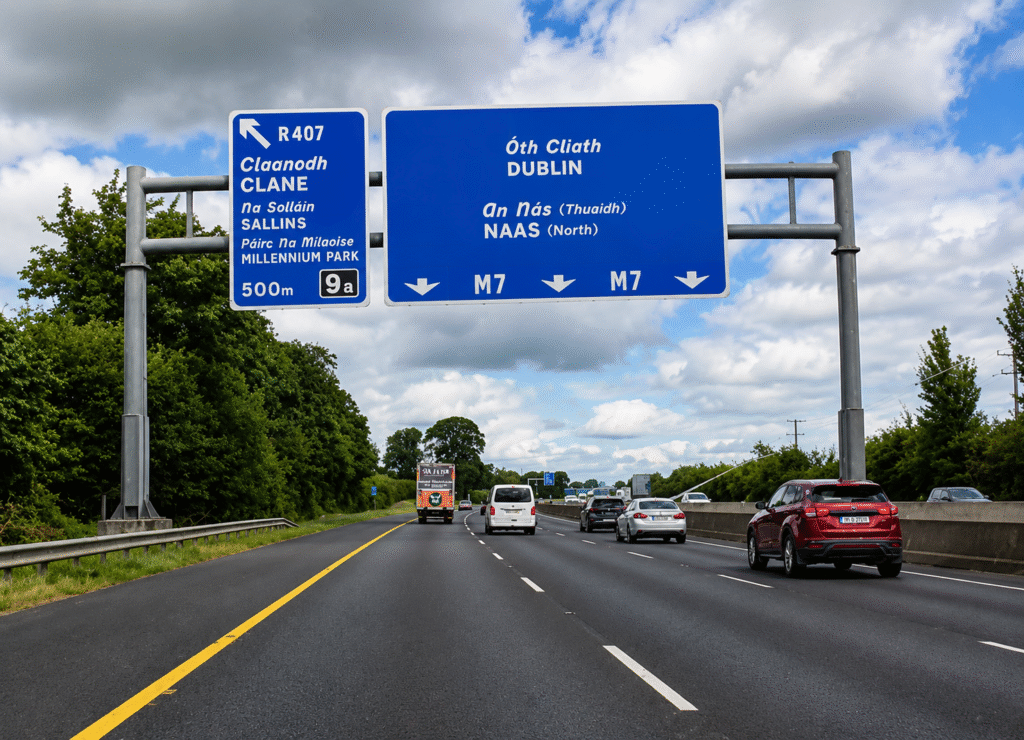
From that point onwards, the journey became less about exploring a different route and more about completing the final few hours of the drive. We continued north along the M9 before joining the familiar M7, eventually taking the exit near Naas that marked the last leg towards home.
Although the tyre warning remained on the dashboard, both visual inspections had suggested everything looked perfectly normal. The car continued to drive without any noticeable issues, so we carried on at a sensible pace while keeping an eye on it until we could have it checked properly.
Inside the car, Spotify once again provided the soundtrack for the journey while our daughter alternated between listening to music and drawing with her markers. The final miles passed without incident as we made our way towards our local tyre specialist before heading home.
One Last Stop Before Home
Before heading home, we called into our local tyre specialist to have the warning light checked properly. After everything that had happened since leaving Cork, it seemed sensible to make that our final stop rather than simply hoping the warning would disappear on its own.
As it turned out, there was nothing more to worry about. The tyre pressures simply needed adjusting following the puncture repair a few days earlier. A quick adjustment was all it took before the warning disappeared, confirming what we’d already begun to suspect after checking the tyres twice during the drive home. It was a reassuring end to the journey and one that left us far more confident as we began thinking ahead to the much longer miles that awaited us across Europe.
Looking Back On Both Journeys
Looking back over both drives, what stood out wasn’t the distance we covered or even the places we stopped. It was how many potential problems never had the opportunity to grow into bigger ones because we’d thought about them before setting off or dealt with them as soon as they appeared.
Packing lunch before leaving home removed the need to search for food at one of the busiest motorway service stations of the summer. Instead of stopping because we were forced to, we stopped because it suited us, giving us much more flexibility throughout the day.
Entertainment followed the same approach. Rather than relying on one activity to fill six or seven hours in the car, we packed enough variety that our daughter naturally moved between books, Guess Who, colouring, drawing, music and periods of screen time. None of those activities needed to last all day because there was always something else ready when attention began to fade.
The extra stop at Manor Stone was another simple example. We could have continued driving, but stopping when someone needed a toilet break prevented a small inconvenience from becoming an uncomfortable hour in the car. It took only a few minutes, yet it helped the rest of the journey feel far more relaxed.
The return drive presented a different set of challenges. Everyone was more tired, we were travelling on unfamiliar roads and the tyre warning appeared not long after joining the M9. Rather than allowing it to become a source of stress, we dealt with it one step at a time. We checked the tyres when the warning first appeared, checked them again at Junction 5, continued because everything looked normal, and called into our local tyre specialist before going home. Each decision reduced the uncertainty until the issue was resolved.
Neither journey was perfect, and they didn’t need to be. What made both drives enjoyable wasn’t the absence of problems but the way we responded to them. Looking back now, the weekend gave us far more confidence than we expected before setting off.
Would We Take the Same Route Again?
Looking back, I think we probably would, although perhaps not in the same order.
If I were planning the trip again, I’d be tempted to travel to Cork via the N25 and M9 while everyone’s energy levels were still high and there was more time to enjoy the drive itself. For the journey home, after several busy days away, I’d probably return via the M8. It’s the quicker, more direct route and feels like the better option when all you want to do is get home.
Even so, I’m glad we chose something different. Driving the N25 before our European road trip gave us the chance to experience an unfamiliar route while everything around us was still familiar. It also confirmed that changing roads doesn’t have to make a journey more difficult when you’ve already thought about the things that matter most before setting off.
| 🚗 M8 Motorway | 🌊 N25 & M9 Route |
|---|---|
| ✅ Fastest and most direct route between Dublin and Cork. | ✅ More varied drive with changing scenery through Waterford and Kilkenny. |
| ✅ Ideal when getting to your destination efficiently is the priority. | ✅ Better suited to days when you have more time to enjoy the journey itself. |
| ✅ A straightforward choice after several busy days away when everyone is ready to get home. | ✅ A refreshing alternative if you’ve driven the M8 several times before. |
| ✅ Continuous motorway driving with very few route changes. | ✅ A mixture of national roads and motorway keeps the drive feeling more varied. |
| ⚠️ Busier motorway services during peak holiday periods. | ⚠️ Takes a little longer and requires more attention as road types change. |
| ⚠️ Less variety once you’re on the motorway. | ⚠️ May not be the best option if you’re simply trying to get home as quickly as possible. |
One Journey Better Prepared
Our weekend in Cork was never meant to be a rehearsal for Europe, but in many ways that’s exactly what it became.
In just a few weeks, we’ll leave Ireland for a much longer journey across continental Europe. The distances will be greater, the roads unfamiliar and the days far more unpredictable than a weekend drive to Cork. There will almost certainly be situations we haven’t planned for, just as there were on this trip.
What Cork gave us wasn’t a perfect blueprint. Instead, it reinforced something much more valuable. Good family road trips aren’t about everything going exactly to plan. They’re about making sensible decisions before you leave, staying flexible when plans change and dealing with unexpected situations calmly instead of letting them take over the day.
That doesn’t guarantee a perfect holiday, because no family trip ever is. It does, however, make it far easier to enjoy the journey, even when things don’t go exactly as expected.
That is exactly what we’ll be taking with us when we board the ferry.